Introduction
Buying land in Ocala FL can be a smart first step toward building a custom home, but a parcel that looks ideal online may still create expensive problems. The listing may say “buildable,” yet that does not confirm that your preferred home, driveway, well, septic system, pool, shop, or outdoor living plan will fit. Before closing, verify the jurisdiction, zoning, setbacks, access, utilities, drainage, flood risk, soils, deed restrictions, and likely site-development costs.
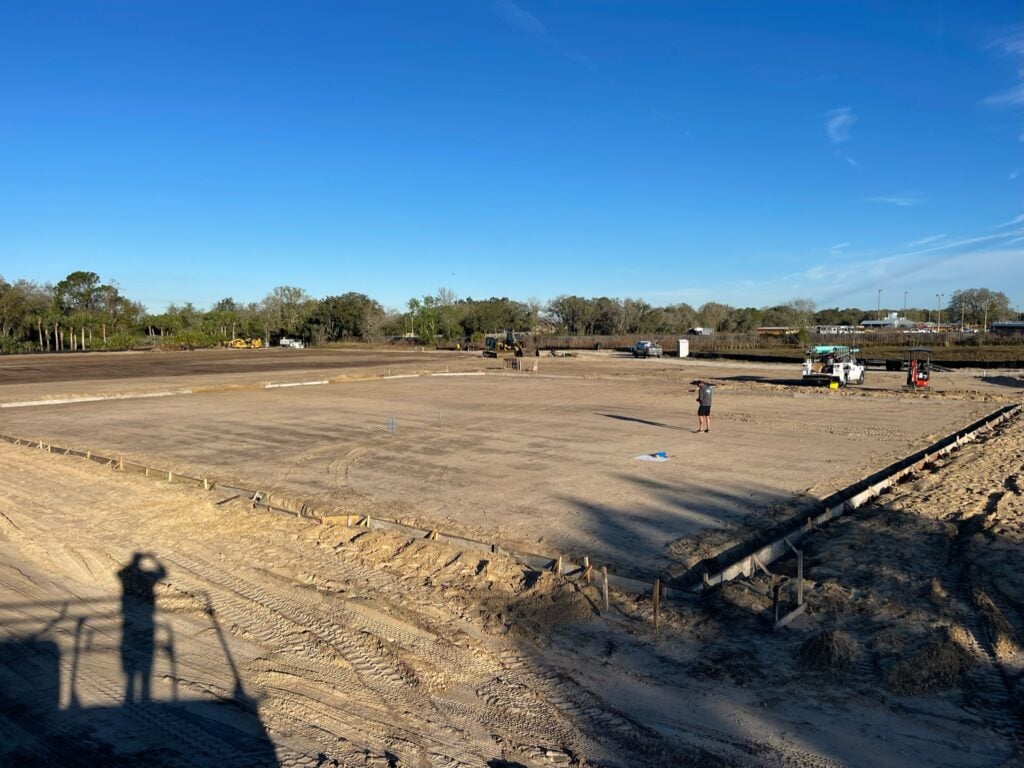
A thorough review before buying land in Ocala FL helps protect the construction budget. The safest approach is to evaluate the land and the future home as one project. CBI Contracting’s new home construction process starts with feasibility, property details, scope, budget, and planning because early decisions control most cost and schedule risk later.
1. Confirm Which Jurisdiction Controls the Property
An Ocala mailing address does not always mean the parcel is inside the City of Ocala. Some properties are governed by Marion County, while others fall inside city limits. That distinction affects zoning, permitting systems, utilities, inspections, impact fees, and development standards.
When buying land in Ocala FL, start with the parcel number rather than relying only on the street address. Marion County’s official GIS map can display parcel boundaries, zoning, future land use, and aerial imagery. For land inside the city, the City of Ocala Planning Department can answer questions about permitted uses and development standards.
2. Verify Zoning, Future Land Use, and the Intended Use
Zoning tells you what uses may be allowed today. Future land use is a separate planning designation and should also be reviewed. Do not assume that “residential” means every type or size of home is permitted.
Ask for written confirmation of the zoning classification, minimum lot dimensions, setbacks, maximum lot coverage, accessory-building rules, and whether special overlays apply. If you want horses, a detached shop, an in-law suite, an RV structure, a pool, or a home-based business, ask about those uses specifically. Marion County’s Planning and Zoning team applies the Land Development Code and Comprehensive Plan to property questions.
3. Make Sure the Home Actually Fits
A parcel may be large enough by acreage and still have a small usable building area. Setbacks, easements, drainage areas, wetlands, septic separation requirements, utility corridors, and irregular lot lines can reduce the space available for the house.
Before buying land in Ocala FL, place a preliminary home footprint on a survey or concept site plan. Include the driveway, garage approach, septic area, well, pool, patios, future structures, and equipment access. CBI’s guide to building on your lot in Marion County explains why buildable and build-ready are not the same thing.
4. Confirm Legal and Practical Access
Visible road frontage does not automatically prove legal access. Verify recorded ingress and egress, road ownership, surface condition, and maintenance responsibility.
Then evaluate construction access. Concrete trucks, trusses, dumpsters, and trade vehicles need room to enter, stage, turn, and leave. A narrow easement, weak private road, drainage ditch, or missing culvert can add cost.
5. Check Water, Sewer, Well, Septic, and Power
Utility assumptions are one of the fastest ways to damage a land budget. Get written confirmation of water and sewer availability, connection requirements, tap or capacity charges, power location, transformer needs, and the distance from service to the proposed building pad.
For rural property, determine whether a private well and onsite septic system will be needed. Marion County remains under the local county health department for septic permitting, and a property-specific site evaluation may be required. Do not choose the final house location until the septic area, replacement area, well location, and setbacks can work together.
6. Buying Land in Ocala FL Requires a Flood and Drainage Review
Flood maps are important, but they are not the entire drainage analysis. The FEMA Flood Map Service Center is the official public source for federal flood-hazard mapping. Also inspect the site after heavy rain when possible and look for low areas, standing water, swales, culverts, neighboring runoff, and evidence that fill has been added.
Buying land in Ocala FL without understanding drainage can affect the building pad, finished-floor elevation, driveway, foundation engineering, stormwater plan, insurance, and usable yard. A lot that appears flat may still require grading and drainage work to move water away from the home.
7. Review Trees, Soils, Wetlands, and Site Conditions
Trees affect clearing, grading, driveway placement, and the home footprint. Large removals and trees preserved near construction require planning.
Soil conditions influence compaction, foundation design, and fill requirements. Wet or environmentally sensitive areas can limit development even when the parcel is large. Marion County’s Comprehensive Plan maps include generalized floodplain, wetland, soil, topography, and environmentally sensitive overlay information, but parcel-level decisions may require professional surveys, environmental review, or geotechnical work.
8. Read the Survey, Plat, Easements, HOA Rules, and Deed Restrictions
Government zoning is only one layer of control. A plat, easement, HOA rule, or deed restriction may be more restrictive. Review title documents and obtain an appropriate survey before due diligence expires.
When buying land in Ocala FL, check for utility easements, drainage easements, access easements, minimum home sizes, architectural requirements, approved builders, fence rules, livestock limits, detached-building restrictions, and deadlines to begin construction. Have qualified real-estate and title professionals explain legal documents you do not understand.
9. Build a Total Project Budget Before Closing
Your feasibility budget should consider clearing, grading, fill, soil testing, driveway work, culverts, utilities, well and septic, permits, impact fees, engineering, surveys, drainage, landscaping, and construction access.
Review CBI’s custom home cost guide for Ocala for the construction variables that should be evaluated alongside the land. The right question is not only, “Can I afford this lot?” It is, “Can I afford this lot and the complete home project it requires?”
Local Considerations for Ocala and Central Florida
For families buying land in Ocala FL, local conditions matter. Ocala-area lots vary from city parcels and platted subdivisions to rural acreage and equestrian property. A property may use city utilities, county utilities, or private well and septic.
Florida rain makes drainage and finished-floor planning important, while equipment access and tree clearing can change both cost and schedule. Permitting also depends on whether the property is inside the City of Ocala or unincorporated Marion County. Buying land in Ocala FL should therefore include a parcel-specific review, not a generic checklist copied from another market.
Common Mistakes to Avoid
The first mistake is letting the due-diligence period expire before zoning, access, utilities, septic feasibility, and site costs are reviewed. The second is choosing a floor plan before confirming the usable building envelope. The third is relying on listing language instead of official records and property-specific verification.
Another mistake is spending the full available budget on the land. Buying land in Ocala FL should leave enough capital and financing capacity for design, permitting, site development, construction, selections, and contingency. A lower-priced parcel can become the more expensive choice when access, drainage, utilities, or fill are difficult.
Why Work With CBI Contracting LLC
CBI Contracting LLC helps homeowners connect the lot decision to the home they actually want to build. The team reviews property details, project goals, scope, budget, permitting considerations, and construction logistics before the project moves into full design and execution.
You can review CBI’s Ocala service-area experience, real project portfolio, and company process and values before scheduling a site meeting. The purpose of the meeting is not to pressure a land purchase. It is to identify constraints early, while they are still cheaper to solve.
FAQ
What should I check first when buying land in Ocala FL?
Start with the parcel number, governing jurisdiction, zoning, future land use, legal access, setbacks, utilities, and the usable building envelope. Then compare those findings with the home and site features you want.
Does an Ocala address mean the property is inside city limits?
Not necessarily. Properties with Ocala mailing addresses may be inside the City of Ocala or in unincorporated Marion County. Confirm jurisdiction through official parcel and mapping resources.
Can I rely on a listing that says the lot is buildable?
No listing statement should replace due diligence. Confirm zoning, access, utilities, flood and drainage conditions, septic feasibility, easements, restrictions, and whether the planned home fits.
Do I need a survey before purchasing land?
A current survey is often important for understanding boundaries, easements, encroachments, and the space available for development. Your title company, lender, attorney, builder, or design team may also require one.
Should I contact a builder before I buy the lot?
Yes. Early builder input can help connect the home plan, site work, access, utilities, permitting path, and budget. It does not replace legal, surveying, environmental, engineering, or title advice, but it can expose construction constraints before closing.
Ready to start?
Ready to start planning your project? If you are buying land in Ocala FL for a custom home, call CBI Contracting LLC at 352-817-2733 or visit CBI Contracting to schedule a site meeting.